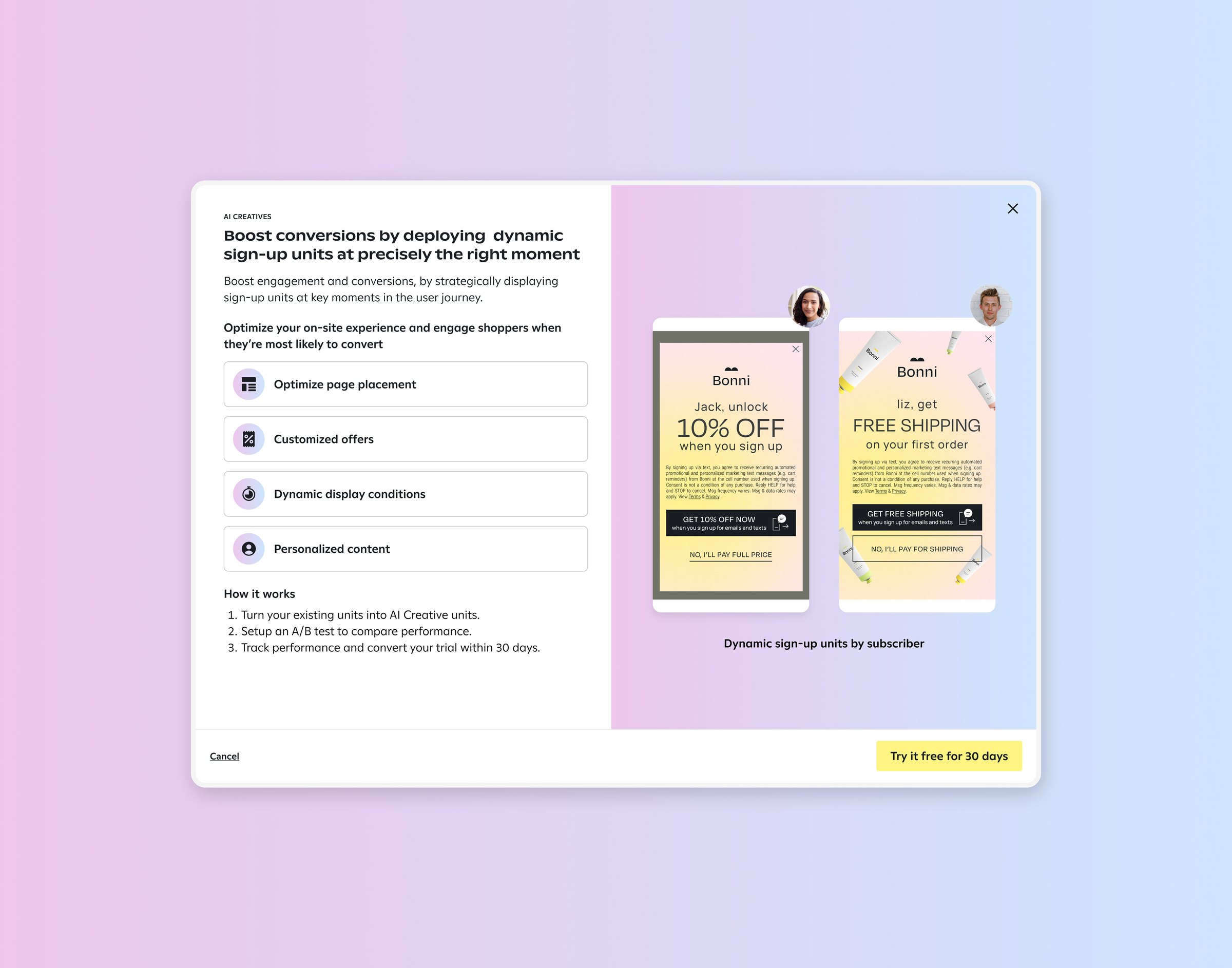
Overview
Attentive helps brands grow SMS and email subscriber lists with personalized sign-up programs. Many clients weren’t getting full value from these programs because setup was manual and complex.
Problem
- Manual setup was slow, error-prone, and didn’t scale for brands with complex needs.
- Clients had difficulty applying best practices and were concerned about intrusive pop-ups.
- Low adoption reduced engagement, conversions, revenue, and retention.
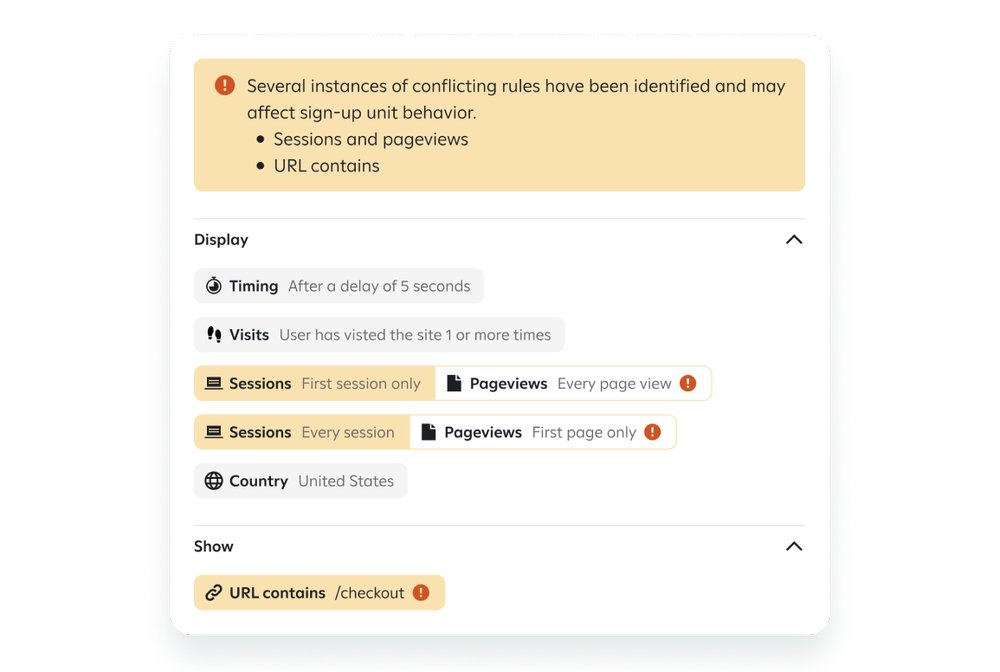
Opportunity
- 13%
- of clients had landing page creatives positioned to drive significant growth
- 1,000+
- clients weren’t using the highest-converting sign-up units
- 70%+
- of clients didn’t have the most impactful display rules enabled
Goals
- Use AI to optimize timing, placement, layouts, and audience-specific incentives.
- Make the tools scalable and data-driven, so every brand can offer personalized sign-up experiences.
- Reduce manual effort and make best practices the default.
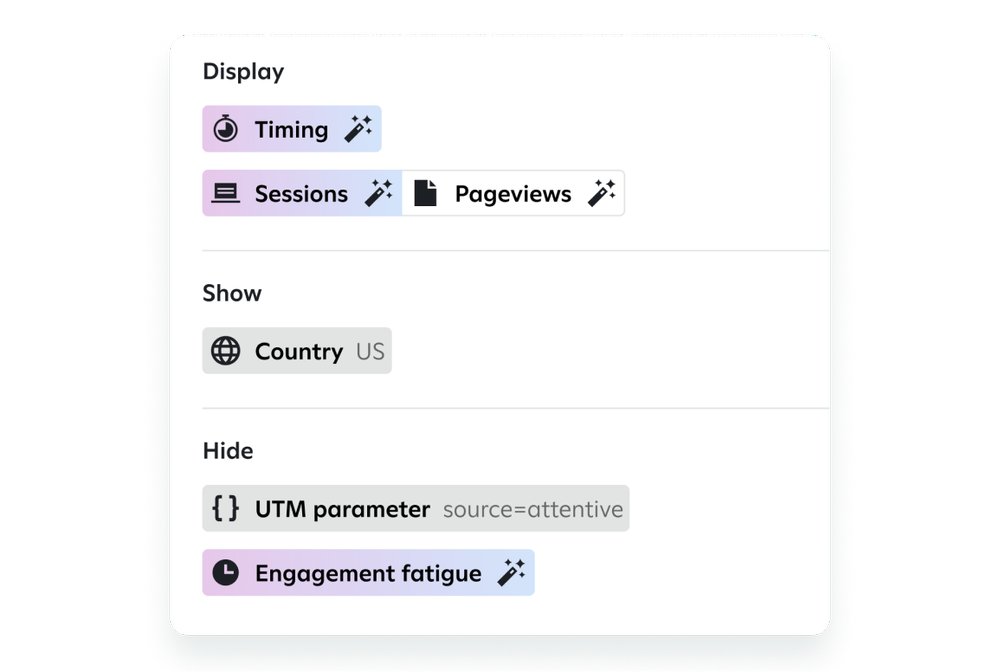
Approach
The system automates list growth and connects to the broader Attentive AI platform. It simplifies onboarding, supports both hands-on and automated management, and reduces manual input, which means fewer errors and more time for Customer Success Managers.
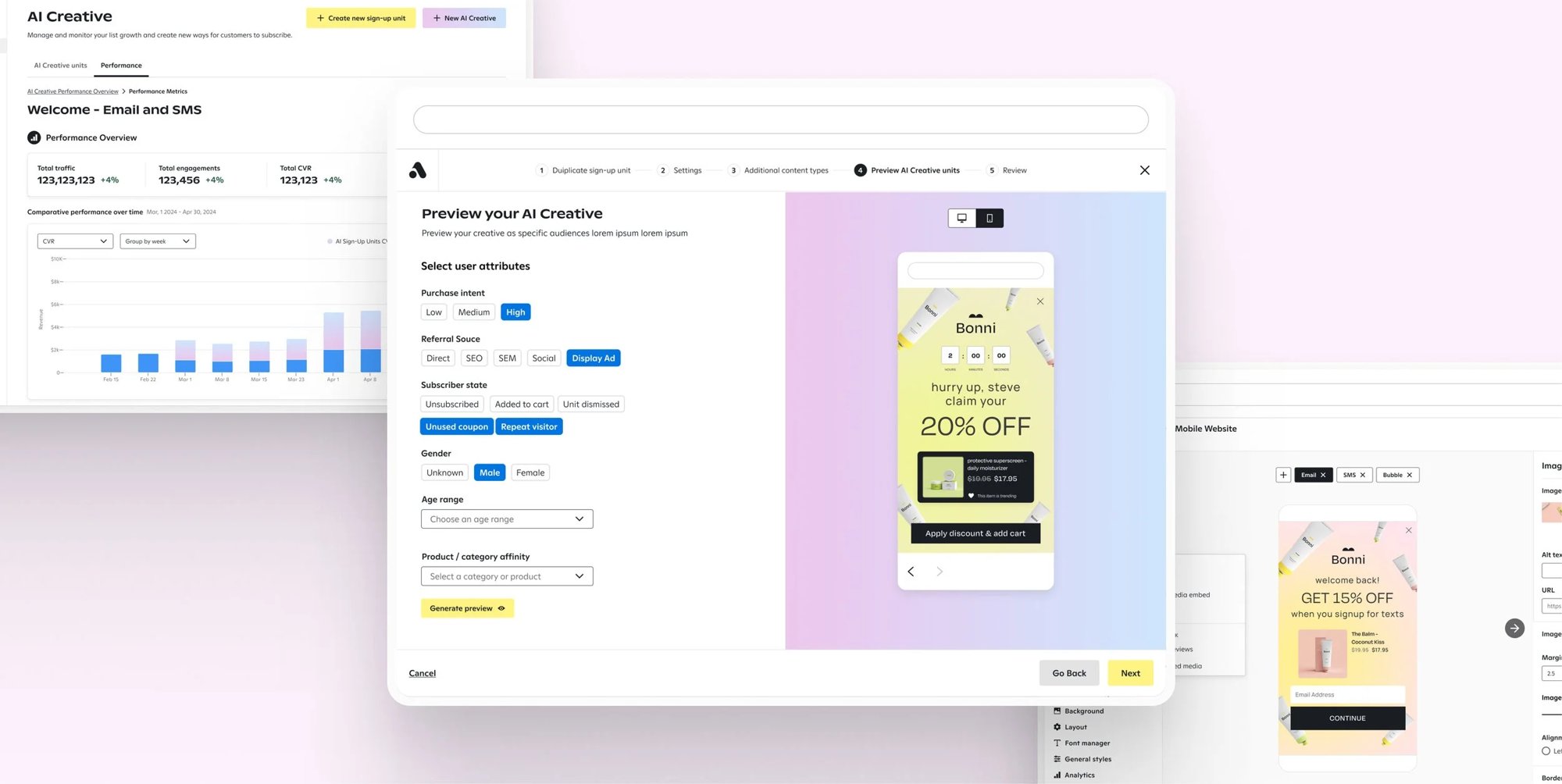
Process
I started with research into setup inefficiencies, low adoption of best practices, and concerns about intrusive pop-ups. The findings led to an AI-driven concept built on automation, usability, and flexibility. I created personas, user flows, and prototypes, tested them iteratively, and continued monitoring performance after launch.
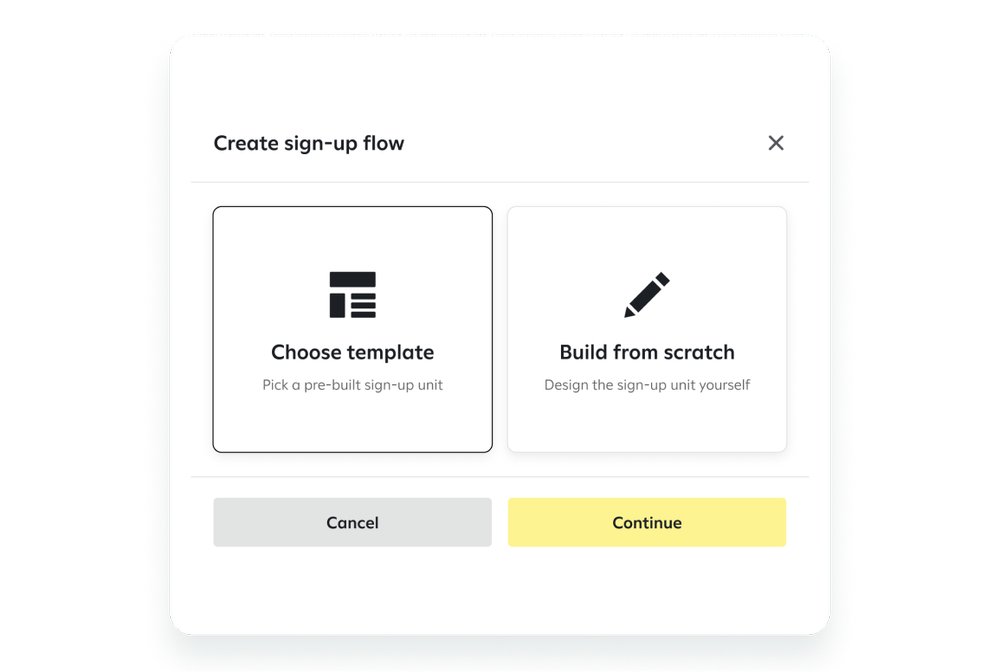
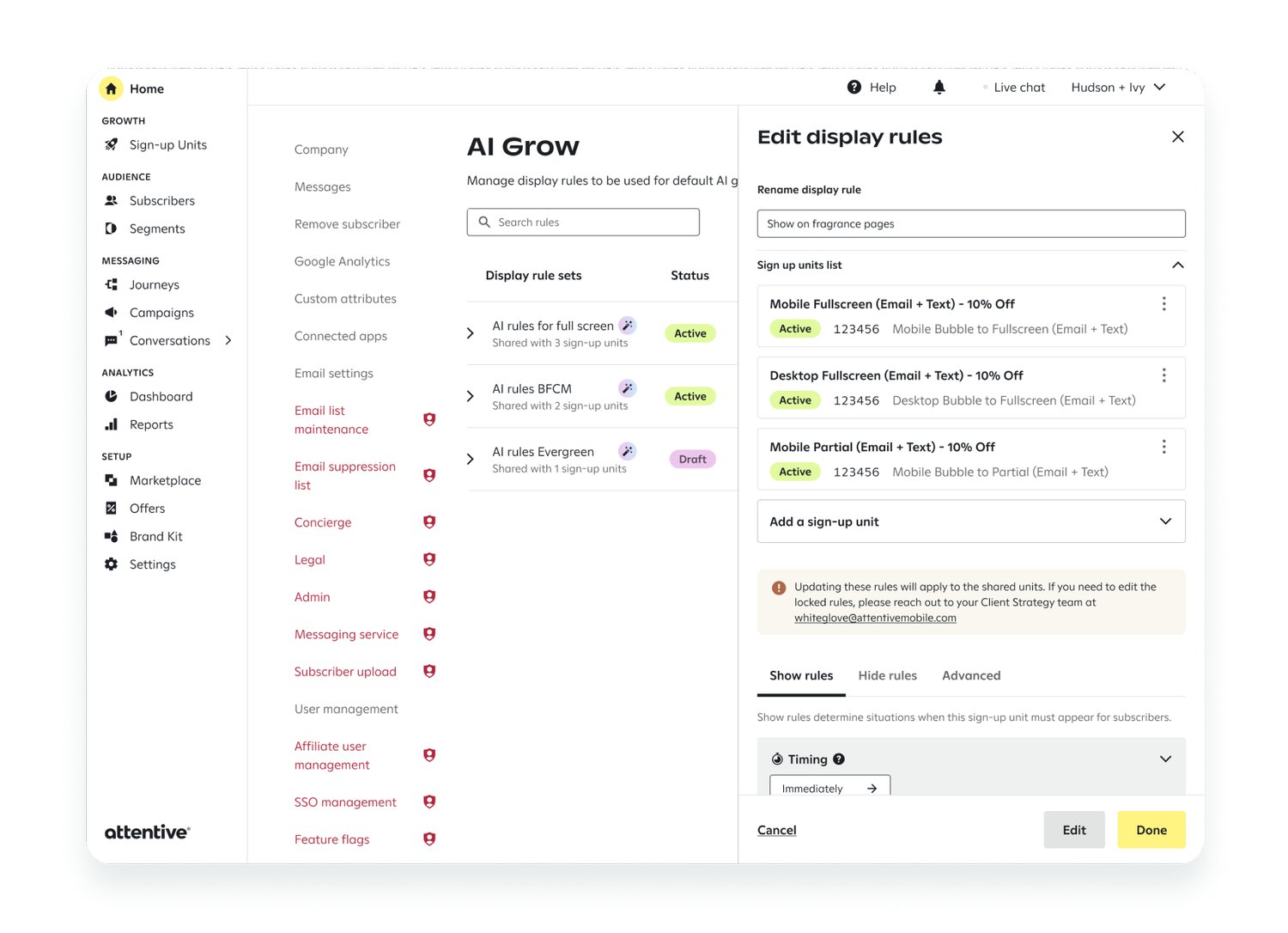
Iteration 1: shared display rules
Display rules could be shared across multiple sign-up units, which reduced duplicate setup. Client workflows became simpler, but the process still required significant internal involvement. This iteration focused on modularity and set up the foundation for further automation.
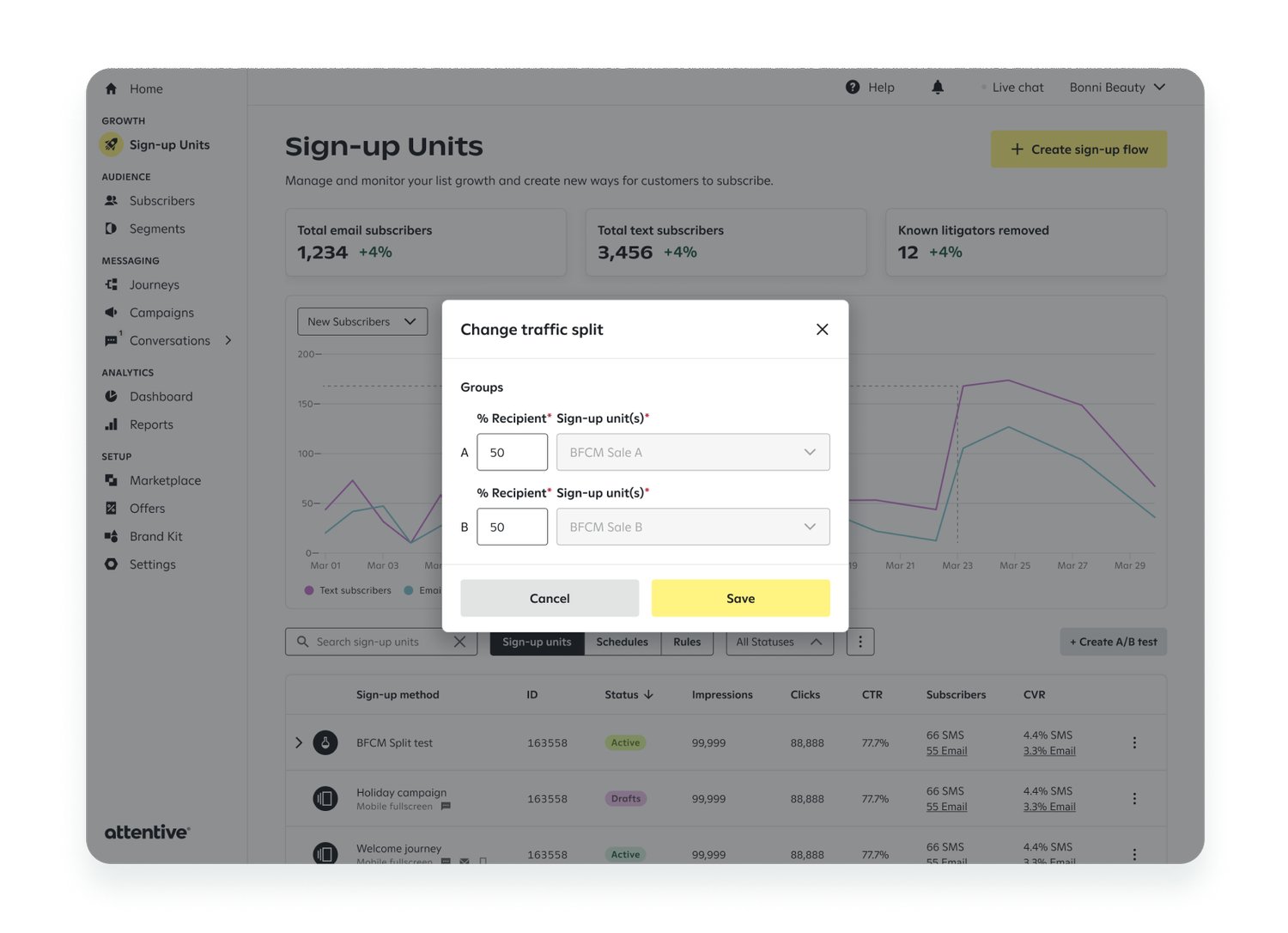
Iteration 2: dynamic adjustments
Clients could change the traffic split during a live A/B test, giving them real-time control. Test setup was still limited to CSMs, which showed the need for a fully self-serve A/B testing workflow.
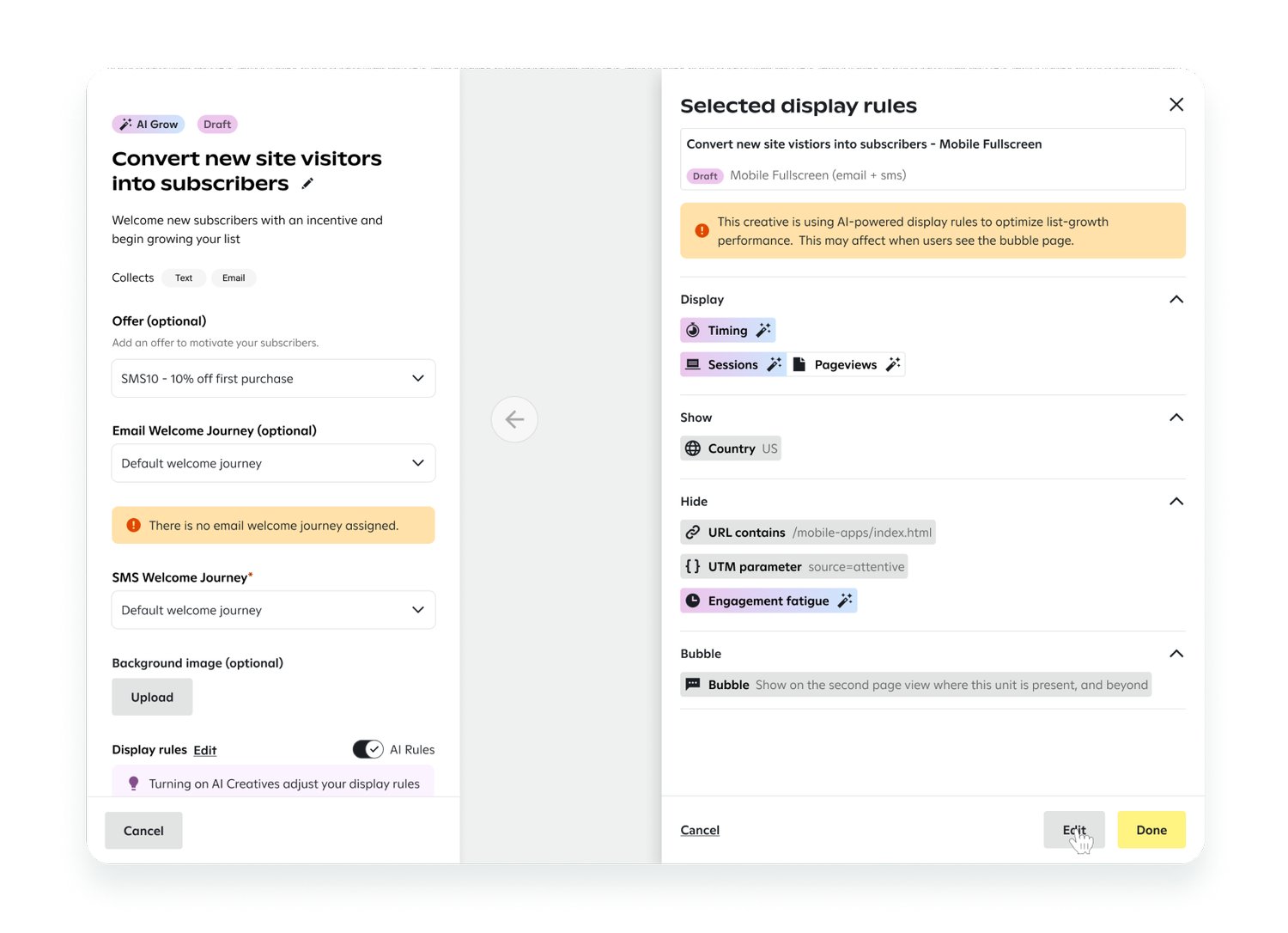
Iteration 3: real-time control
Clients could turn AI-driven display rule optimization on and off. Those who wanted to set specific parameters still lacked that control, so the next step was balancing automation with configurable options.
Results
- +36%
- list growth, from display rules aligned with best practices
- +45%
- welcome revenue, from streamlined offers and lower setup effort
- ~10%
- higher click-through, from more relevant sign-up content
Business impact
Best-practice display rules increased list growth, a key driver of long-term engagement. Simpler offers and setup reduced operational effort and shortened time to value, and more relevant content improved campaign performance and client satisfaction.